Understanding how the commissions system works is the single biggest lever for early success in Dressmaker, because every stitch, trim, and color choice you make for a customer directly feeds back into your shop's reputation and coin flow. This Dressmaker commissions guide walks through the full loop — from the first townsfolk request that lands on your workbench to the themed special-occasion orders that demand precise decoration preferences — so you always know what to deliver, how to impress each customer type, and which commission rewards are worth chasing first.
How Dressmaker Commissions Work From Request to Reward
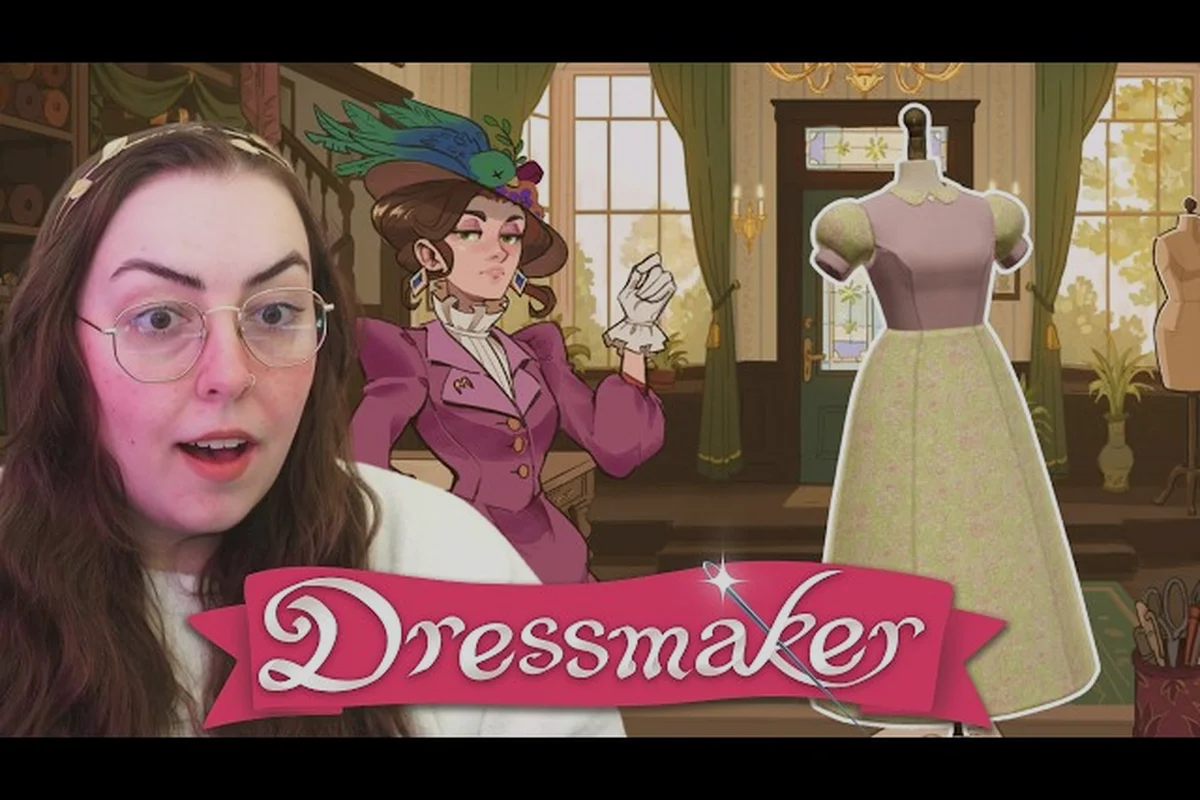
Every commission in Dressmaker follows a tight three-phase loop: a townsfolk customer arrives with a written request, you translate that request into fabric and decoration choices inside the sketchbook, and the finished garment is scored against the customer's personal preferences before payout. According to the Dressmaker on Steam store page, the making loop itself is built around designing and coloring a dress in the sketchbook with fabric samples and appliqué, arranging the paper pattern, previewing it on a mannequin, feeding panels through the sewing machine, and finishing with buttons, bows, appliqué, and lace trims. That whole sequence is what gets evaluated every time a commission closes.
The request phase is the part most new players underestimate. A townsfolk customer walks up to the counter with a specific occasion in mind — a garden party, a winter gala, a wedding, a funeral — and that occasion dictates which fabric, color, and decoration tier will satisfy them. If the order is for a high-society gala, lightweight cotton reads as underdressed, while silk or velvet with a tasteful bow lands cleanly. The request panel also hints at the customer's personal style, which is where the real scoring happens once the garment is finished.
Reading the Commission Brief
The first skill any new dressmaker needs is learning to parse a request without second-guessing. Each brief lists the occasion, a style cue, and — once you have built enough rapport with that customer — a personal decoration preference. The Steam discussion thread Should I use letters or gifts? shows launch-day players weighing how supplementary gestures (personal letters vs. physical gifts) stack on top of garment quality when calculating overall satisfaction. Treat the brief as a checklist rather than a vague suggestion: every named element is a scoring lever.
Scoring and Payout Phases
When a commission closes, the garment is rated on three axes: occasion fit, decoration match, and style coherence. A perfect commission requires all three to land simultaneously, which is the most efficient way to raise your reputation per piece. A solid commission (two of three) still pays out coin but caps the reputation gain. A poor commission (one or none) loses coin and reputation, and that drag compounds if you stack bad orders back-to-back against the same townsfolk customer.
Customer Types and Their Hidden Preferences
Dressmaker ships with a varied cast of townsfolk customers, and each one carries a distinct preference profile that affects which commissions feel easy and which feel like a grind. The customer types break down into broad bands, and recognizing which band you are dealing with is the fastest path to a perfect commission.
| Customer Type | Style Cue | Preferred Fabrics | Decoration Bias | Patience |
|---|---|---|---|---|
| Town Elder | Conservative, formal | Wool, velvet | Lace trims, muted buttons | Low — wants the brief followed exactly |
| Young Artisan | Experimental, playful | Cotton, linen | Bright bows, appliqué | Medium — appreciates creative spins |
| Noble Visitor | High society, elegant | Silk, velvet | Lace, subtle bows | Low — expects occasion-appropriate luxury |
| Festival Regular | Casual, colorful | Cotton, linen | Buttons, bright appliqué | High — flexible if the vibe is right |
| Grief-Stricken Mourner | Somber, restrained | Wool, dark cotton | Minimal trims, plain buttons | Medium — rewards restraint over flourish |
The five named fabrics the official copy highlights — cotton, linen, wool, silk, and velvet — map cleanly onto those customer bands. Cotton and linen serve the casual end, wool handles the conservative and somber briefs, and silk plus velvet carry the high-society and noble visitor requests. Knowing that mapping before you pick your fabric saves redos and keeps your coin flow healthy.
Impressing the Hard-to-Please Customers
The hardest customers to impress are the Noble Visitor and the Town Elder, because their patience is low and their decoration bias is narrow. A noble visitor requesting a winter gala outfit will dock points for anything that reads as festival-casual, which means cotton with bright appliqué is a guaranteed miss. The fastest path to impressing these customers is to commit to the occasion first, then layer their personal decoration bias on top. Once you have a clean read on which trims each regular customer prefers, the order becomes a checklist rather than a guessing game.
A useful pattern reported by community testers is to maintain a mental fabric rotation by occasion. For somber events, default to dark wool with minimal trims. For garden parties, default to light cotton or linen with a single accent appliqué. For galas, default to silk or velvet with lace and a tasteful bow. That single habit alone moves most commissions from "solid" into "perfect" territory without any extra material cost.
Special Occasions and Their Themed Requirements
Special occasions are the headline commissions in Dressmaker, and each one carries a themed requirement that overrides the customer's personal preferences. If a brief specifies the occasion, the occasion theme trumps the personal decoration bias — but only partially. You still want the personal bias layered in, because the final score rewards both axes landing at once.
| Occasion | Mandatory Theme | Best Fabric Pairings | Decoration Tier | Reputation Yield |
|---|---|---|---|---|
| Garden Party | Light, floral, breezy | Cotton + linen | Bows + light appliqué | Medium |
| Winter Gala | Warm, rich, layered | Velvet + silk | Lace + subtle buttons | High |
| Wedding | Ceremonial, bright | Silk + cotton | Lace + bows | High |
| Funeral | Somber, restrained | Wool + dark cotton | Minimal trims | Medium |
| Royal Banquet | Extravagant, regal | Silk + velvet | Heavy lace + jewel-tone appliqué | Very High |
| Harvest Festival | Earthy, warm, casual | Linen + wool | Buttons + harvest appliqué | Medium |
| Children's Play | Playful, simple | Cotton | Bright appliqué + bows | Low |
The theme requirement is non-negotiable. A winter gala brief delivered in cotton is auto-flagged as off-theme regardless of how well the decorations match, and the satisfaction score collapses. Community data from the Steam discussion board shows players routinely lose reputation on their first two or three themed commissions because they picked fabric before reading the occasion card.
Reading the Occasion Card
Every special occasion card lists three things: the occasion name, the mandatory theme descriptor, and a one-line style cue. Train yourself to read the theme descriptor before the style cue, because the theme is what disqualifies a fabric outright, while the style cue only adjusts the decoration score. The style cue is where personal bias lives, and that is the layer you optimize after the theme is locked in.
How to Impress Customers and Stack Commission Rewards
Commission rewards scale on a clean curve, and once you understand the curve, you can plan your day around stacking the highest-yield orders. The coin payout alone is not the whole story — reputation gains unlock better fabric discounts, more mannequin slots, and access to higher-tier special occasions, so a perfect commission is worth roughly three solid commissions in long-term shop value.
| Commission Outcome | Coin Multiplier | Reputation Gain | Long-Term Shop Effect |
|---|---|---|---|
| Perfect (3/3 axes land) | x1.5 | High | Unlocks premium fabric discounts |
| Solid (2/3 axes land) | x1.0 | Medium | Standard progression |
| Marginal (1/3 axes land) | x0.5 | Low | Negligible progression |
| Poor (0/3 axes land) | x0.0 | Negative | Reputation loss + customer patience drop |
The best strategy for stacking rewards, reported by experienced players, is to keep a fabric buffer for at least two high-society occasions at all times. Silk and velvet are the bottleneck fabrics, and running out of either right before a royal banquet or winter gala is the most common way to break a perfect-commission streak. When you see those fabrics appear in the shop, the general advice from launch-week testers is to buy one unit more than you think you need.
The Patience Gauge and Customer Retention
Every townsfolk customer carries an invisible patience gauge that drops when you deliver a marginal or poor commission, and once it bottoms out, that customer will stop bringing you special-occasion briefs. Retaining those regulars is what unlocks the highest-reputation brackets, because repeat customers bring the themed orders that pay the best. If you want a deeper look at the patience system and how supplementary gestures like letters and gifts interact with it, the letters vs gifts breakdown covers that side of the loop in detail.
Advanced Commission Strategy and Daily Workflow
Once you have the basics of reading briefs and matching fabrics locked in, the next lever is daily workflow. A well-ordered shift in Dressmaker looks very different from a shift run by seat-of-the-pants guessing, and the difference shows up directly in your end-of-day coin total.
| Time Block | Recommended Action | Why |
|---|---|---|
| Shift open | Triage the day's briefs, sort by occasion theme | Lets you batch fabric choices |
| Mid-morning | Take one high-yield special occasion first | Sets reputation momentum for the day |
| Midday | Fill in with regular townsfolk requests | Steady coin flow while fabric is plentiful |
| Afternoon | Display one design in the shop window | Generates passive coin from walk-in customers |
| End of shift | Restock bottleneck fabrics if available | Prevents the next-day silk/velvet drought |
The pattern experienced dressmakers follow, based on community reports, is to front-load the most reputation-heavy commission of the day and then coast through the easier briefs while fabric is still abundant. End-of-day restocking is the boring habit that wins streaks, because a single dry-spell morning can wipe out two days of perfect commissions.
Managing Walk-In Customers vs. Commission Customers
Walk-in customers who buy from your shop window use a different satisfaction logic than commission customers, and conflating the two is a common early-game mistake. Walk-ins reward style coherence and color matching, while commission customers reward brief adherence. The shop window is best used to clear designs that did not satisfy a particular commission, and the commission counter is where you deploy your premium fabric. For more on how to read each request type and identify which decoration preferences your regulars actually want, the decoration preferences walkthrough breaks down the per-customer signals.
A practical workflow that holds up well across the early game is to treat each shift as three buckets: one special-occasion brief, two regular townsfolk briefs, and a passive shop-window sale. That balance keeps your reputation climbing, your coin flow steady, and your fabric buffer intact for the next high-yield order. For a broader look at how commissions tie into the overall progression loop and the wider game basics, the Dressmaker game basics guide gives a useful starting-point overview.
Frequently Asked Questions
What is the fastest way to complete a commission in Dressmaker?
Read the occasion theme before anything else, pick the fabric tier that matches it (cotton or linen for casual, wool for somber, silk or velvet for high society), and only then layer in the customer's personal decoration bias. That sequence alone takes most briefs from solid to perfect without any wasted materials.
Which customer type gives the best commission rewards?
Noble Visitors and Royal Banquet briefs pay the highest coin and reputation multipliers, but they also have the lowest patience and the narrowest decoration bias. Royal Banquet orders are gated behind strong reputation, so the realistic first target is the Noble Visitor, whose winter gala and ceremonial briefs yield high payouts once you keep a silk and velvet buffer ready.
How do I unlock the special-occasion commissions?
Special occasions unlock as your shop's overall reputation climbs. Each perfect commission on a regular townsfolk customer adds reputation, and once you cross each reputation threshold, the next tier of themed orders appears at the counter. Marginal commissions slow this climb noticeably, while perfect commissions accelerate it.
Can I reuse a garment design across multiple commissions?
Yes, but the satisfaction score resets each time because the brief changes. A wedding design that scores perfectly on one customer will only score solid on a winter gala brief, because the occasion theme does not match. The shop window is the better channel for reusing designs, since walk-in buyers reward style coherence rather than brief adherence.
What happens if I keep delivering poor commissions to the same customer?
Their patience gauge drops, and once it empties, that townsfolk stops bringing you special-occasion briefs. Community data shows two or three consecutive poor commissions are usually enough to lose that customer for the rest of the in-game week, which is why front-loading your best fabrics on the customers you want to retain is the strongest long-term play.