
Commissions
How commissions work: read occasion and taste, weigh gifts versus letters, deliver for reputation and coin, consider sabotage, and manage off-the-rack sales.
Introduction
Commissions are the customer-facing half of Dressmaker, the cozy single-player sewing game from Cozy Lives published by Free Lives. Townsfolk order garments for specific occasions, and your job is not only to sew competently but to read the request: what the occasion demands, what taste the buyer shows, and how far your own design choices should bend toward theirs. A finished dress moves through decoration and delivery, then converts into reputation and coin - the two currencies that shape what you can attempt next. Early on you will meet Edith, one of the first clearly named customers; other character details beyond her are still mostly community observation. Commissions also branch socially. You can frame deliveries as gifts or letters, a choice the community still debates, and you can deliberately sabotage an order if you would rather disappoint a customer than complete it. Meanwhile off-the-rack shop window sales reportedly interact with pending orders, an open question flagged by players. This category explains each aspect so you approach the next request with a plan rather than a shrug.
Commission Aspects Explained
| Aspect | Your Move | Stakes | Watch Out For |
|---|---|---|---|
| S Reading Requests | Parse occasion plus customer taste | Design fit judged at delivery | Assuming every brief wants formality |
| A Gifts vs Letters | Pick the social framing for delivery | Community-open question; lasting feel | No official best answer yet |
| A Reputation Payout | Deliver to convert work into standing | Reputation plus coin income | One bad run can undo good ones |
| C Sabotage Outcomes | Optionally disappoint on purpose | Deliberate loss of customer trust | Short-term relief, long-term cost |
Commission Skills
Reading Requests
The core social skill of commissions: extracting occasion and taste from each townsfolk order so fabric, cut, and decoration choices all answer the same brief before sewing begins in earnest.
Gifts vs Letters
The delivery-framing decision the Dressmaker community still argues about - gift or letter - with no official best answer, only clearer reasoning for whichever path you ultimately pick to deliver.
Perfect Delivery
Closing the loop cleanly so a finished outfit converts into reputation and coin, rewarding the mannequin check and occasion match you lined up beforehand on every single order you accept for work.
Off-the-Rack Conflicts
Shop window sales of ready-made dresses reportedly tangle with pending commissions - a community-flagged possible bug that makes timing your listings a live concern while customer orders are still active.
Core Mechanics
A commission in Dressmaker runs as a request you must interpret before it becomes dressmaking. The order carries an occasion and hints of taste; reading those correctly steers fabric, silhouette, and decoration choices through the rest of the loop. From there the standard mechanics apply - sketchbook design, pattern layout, grain-aware cutting, sewing machine, mannequin fitting, decoration with appliqué or lace trim - but the customer's brief narrows every decision. Delivery is the resolution step: a completed outfit is evaluated against the request and returns reputation plus coin. Reputation compounds across orders, which is why one poorly matched dress can matter more than its immediate coin reward suggests. The social branch sits alongside delivery. Choosing letters versus gifts changes how completion feels to the customer relationship, and the take-or-sabotage angle lets you deliberately fail an order instead, trading away trust for whatever you gain by walking away. Off-the-rack shop window sales add parallel pressure by moving ready-made pieces while commissions are still pending - an interaction the community reports as possibly buggy. Across all paths, reading the request first remains the mechanic that governs the rest.
Advantages
Treat commissions as strategy, not busywork, and the advantages accumulate. Careful reading of occasion and taste means designs land closer to the mark on the first delivery, which protects reputation while still earning coin for materials and upgrades. Reputation itself is compounding: consistent deliveries open room to attempt bolder fabric and decoration choices, including silk or velvet formal work, without fear that a single experiment will crater your standing. Understanding the letters-versus-gifts decision in advance lets you pick deliberately rather than click through, even while the community debate stays open. Knowing the sabotage branch exists - you may deliberately disappoint customers - means you can consider it as a planned pressure valve instead of stumbling into it. Awareness of off-the-rack shop window sales also helps you time ready-made listings against pending orders so stock does not work against you. Edith's early commission provides a friendly on-ramp to the full cycle, and every later townsfolk order reuses the same readable structure, so skills transfer directly rather than resetting with each new customer.
Challenges
Commissions punish assumptions. Misreading occasion or taste sends otherwise competent sewing to delivery as a mismatch, and the reputation cost can outweigh the coin earned. Because reputation feeds future opportunities, a careless streak has tail effects that a single coin number does not show. The gifts-versus-letters choice adds uncertainty of a different kind: it remains a community open question without an official best answer, so players chasing optimality may stress over a decision the game leaves genuinely social. Sabotage cuts both ways - deliberately disappointing customers relieves a difficult order but burns trust you will meet again in later requests. Off-the-rack shop window sales reportedly interact with pending commissions, possibly a bug, and until that stabilises your ready-made pricing strategy can collide with active orders in confusing ways. Character expectations are another soft risk: beyond Edith, the cast is thinly documented, so community reports about other townsfolk should not be treated as guarantees. Finally, external shortcuts do not exist here - there is no redeem-code system in the game - so every commission must be earned through the loop itself.
Frequently Asked Questions
How do I read a commission request correctly?+
What happens if I sabotage a commission on purpose?+
Do letters or gifts matter more on delivery?+
Quick Tips
Before cutting anything, write one sentence naming the occasion and one naming the taste signals in the request. That tiny ritual keeps the sketchbook design honest, prevents premium fabric from drifting onto casual briefs, and gives you a clear comparison point when you finally preview the dress on the mannequin just before delivery to the waiting customer.
Separate reputation goals from coin goals when you plan the day's orders. Coin keeps materials stocked, but reputation is what compounds across the game, so if a brief is risky, complete it cleanly rather than improvising decoration for a higher immediate payout that might miss the occasion entirely and cost you standing later on with other customers.
Check shop-window stock before you commit to new orders. Off-the-rack pieces reportedly interact with pending commissions, and while the community considers whether that behaviour is a bug, keeping ready-made dresses listed sensibly reduces the chance your own window sales complicate an active customer promise mid-project or force an awkward choice between display stock and in-flight work.
Featured
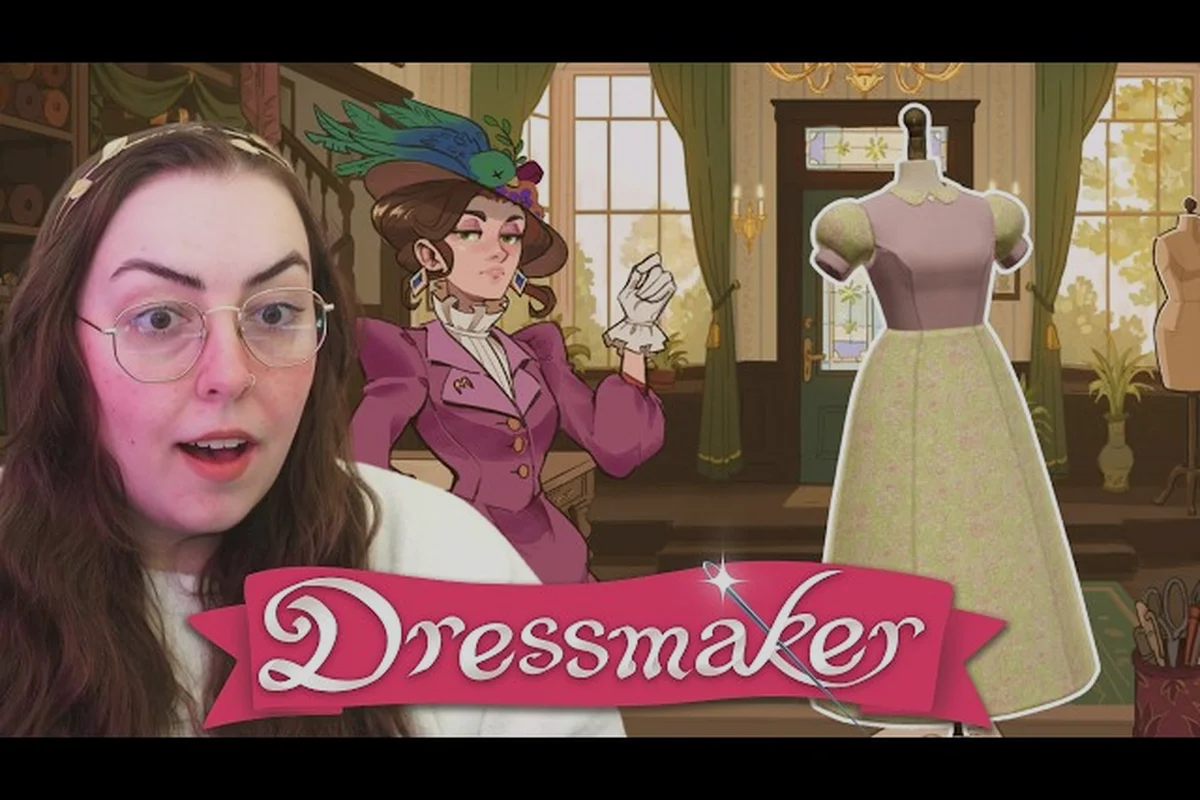
Dressmaker Commissions Guide: Customers, Rewards & First Tips
Learn the Dressmaker commissions system from the first request onward — meet every customer type, satisfy themed orders, and pocket the best rewards.
Dressmaker Reputation Per Commission: Score, Pay & Best Gigs
See how every Dressmaker reputation per commission shifts your score, which customer types reward the biggest payouts, and how gifts nudge satisfaction.
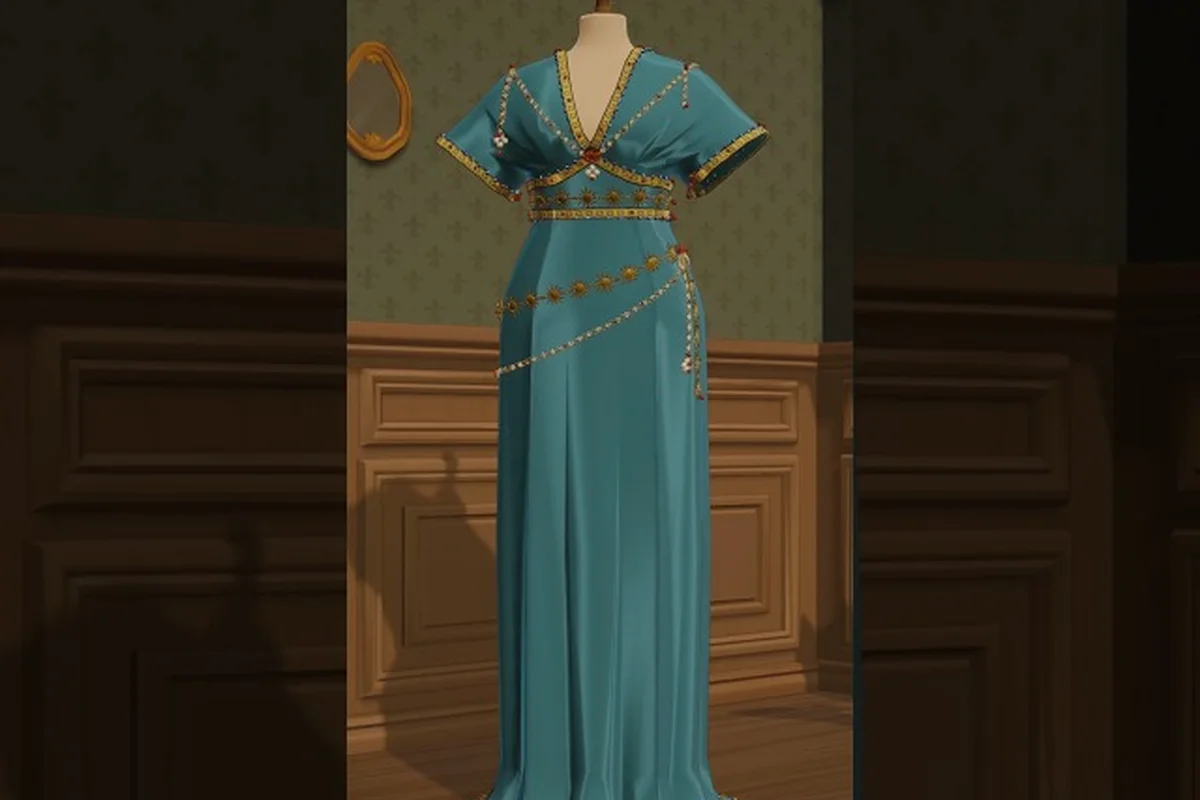
Dressmaker Side Commissions: Daily Requests, Reset & Vanish Fix
Keep your Dressmaker side commissions flowing — learn how daily requests reset, how to avoid the vanish bug, and ways to pull in more orders each day.
All Articles
Dressmaker Commission Queue: Happy, Angry & Sabotage Outcomes
See what your Dressmaker commission queue delivers — happy customer payoffs, angry townsfolk consequences, and what really happens when you sabotage a dress.
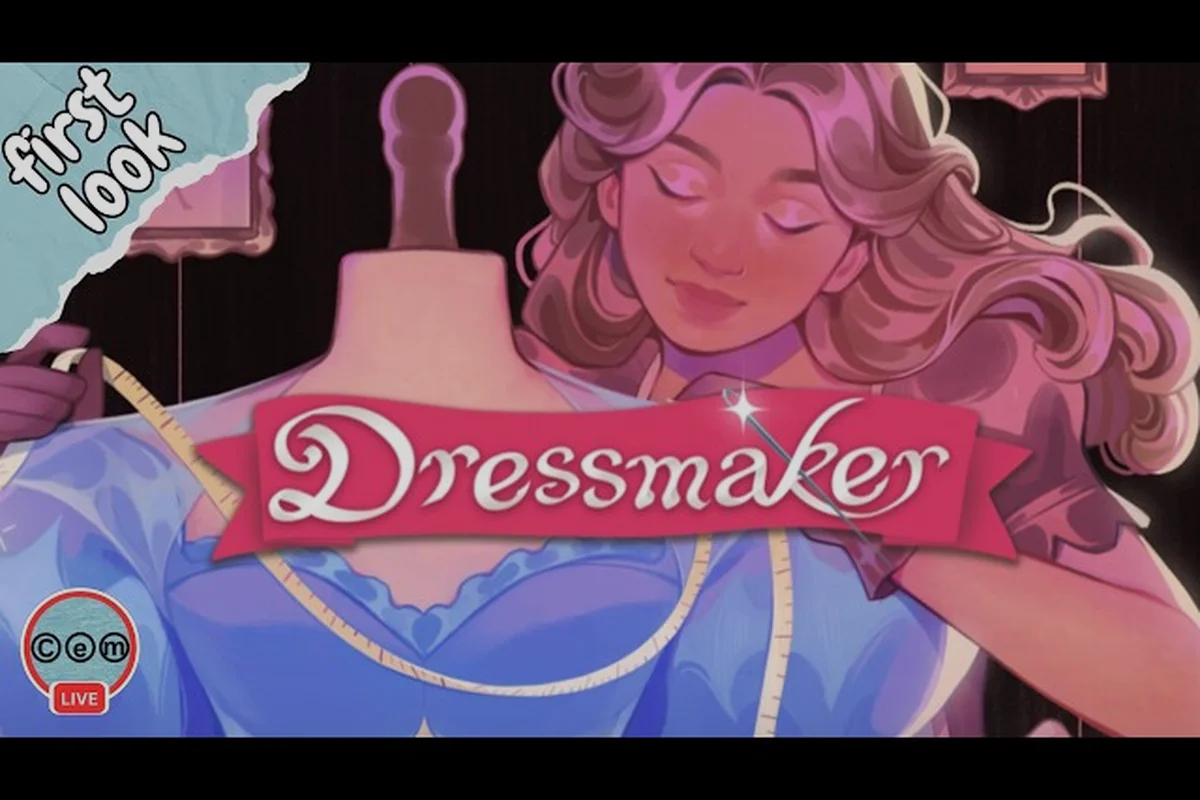
Dressmaker Decoration Preferences: Read Requests & Boost Payouts
Crack Dressmaker decoration preferences with a commission checklist — read NPC requests, plan appliqué details, and raise your payout rates on every order.
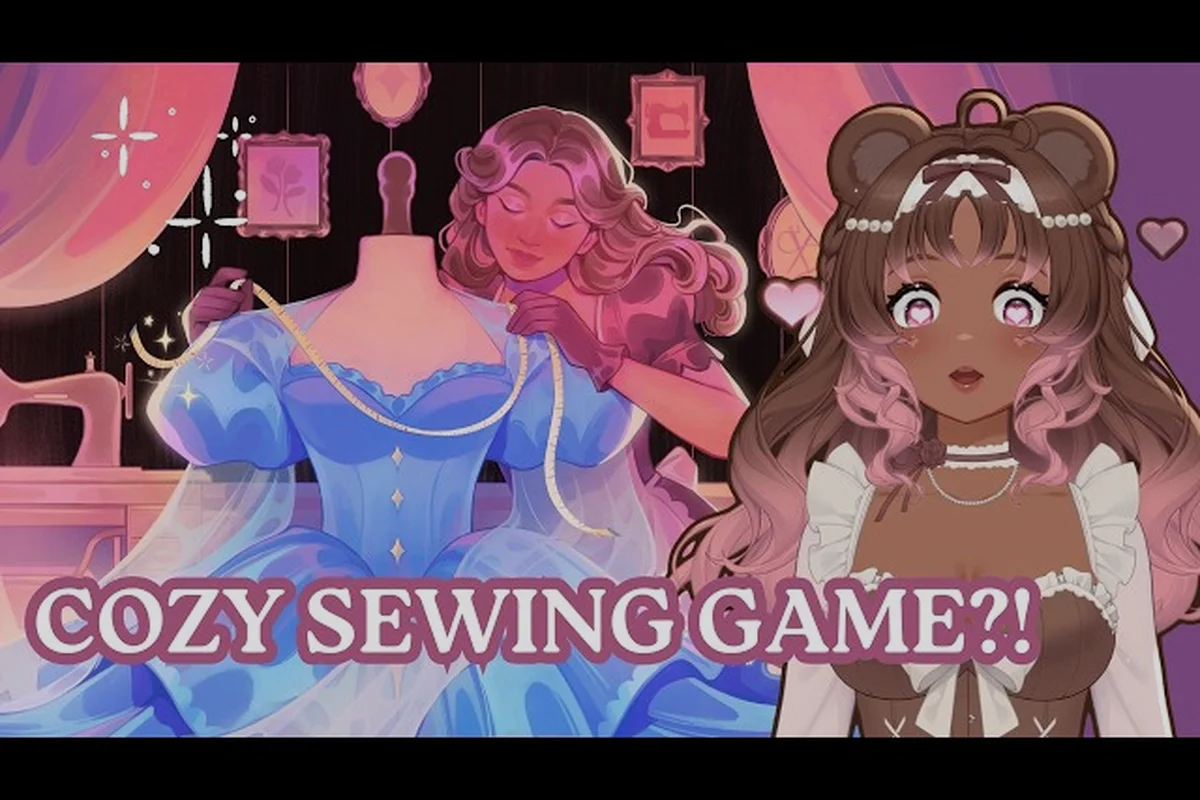
Dressmaker Letters vs Gifts: Customer Satisfaction Compared
Weigh Dressmaker letters vs gifts side by side — see how personal notes and physical presents each shape satisfaction, scores, and story outcomes.
Dressmaker Picky Customers: Match Color, Fabric & Event Style
Decode dressmaker picky customers with a casual, formal, and themed request guide that matches color palettes, fabric preferences, and event styles.