
Fabrics
Compare cotton, linen, wool, silk, and velvet: how each cloth behaves through cutting, sewing, and fitting, and which suits casual daywear or formal occasions.
Introduction
Fabrics are the material heart of Dressmaker, the cozy single-player sewing simulation by Cozy Lives. Every commission begins as cloth in your hands, and the five available materials - cotton, linen, wool, silk, and velvet - shape how a dress behaves at every later stage. Fabric choice influences how your pattern pieces sit during layout, how forgiving the cut line feels on the machine, and most visibly how the finished garment falls when you preview it on the mannequin. Because commissions ask for outfits suited to specific occasions, cloth selection is also a taste judgement: silk and velvet read formal, cotton reads everyday, and wool and linen sit between depending on how you finish them. This category collects fabric behaviour notes, editorial occasion rankings, and cutting tips so you can shortlist materials before you commit scarce cloth to a design. Whether you are dressing a first order from Edith or refining later commissions reported by players, the guides here keep fabric decisions deliberate rather than improvised.
Fabric Cheat Sheet by Cloth
| Fabric | Editorial Tier | Occasion Fit | Handling Notes |
|---|---|---|---|
| S Silk | S (editorial, formal) | Formal evenings and special orders | Premium drape; pairs with careful grain work |
| S Velvet | S (editorial, formal) | Formal evenings and statement pieces | Rich surface; rewards clean cutting lines |
| A Wool | A (editorial) | Structured, cooler-weather commissions | Steady to sew; holds tailored shapes |
| B Linen | B (editorial) | Daytime casual and relaxed briefs | Light hand; casual silhouette friendly |
Fabric Cards
Cotton
The everyday starter cloth: approachable to cut and sew, at home in casual briefs, and the natural choice while you are still learning grain alignment, machine pacing, and fitting basics overall.
Linen
A light, daytime-casual fabric that suits relaxed briefs without demanding premium handling, sitting one editorial step above cotton for players who want more texture in the wardrobe overall.
Wool
The structured workhorse of the fabric shelf, holding tailored shapes through the sewing machine and mannequin stages while earning a solid editorial A for cooler formal-leaning orders from townsfolk customers.
Silk
One half of the formal-occasion elite: fluid drape, high visual polish, and an editorial S ranking that marks it as a first pick when the commission clearly wants evening elegance most.
Velvet
The other formal elite, trading silk's fluidity for rich surface presence; rewards clean cut lines and pairs with restrained decoration so the fabric itself, not the appliqué, carries the whole look.
Core Mechanics
Fabric mechanics in Dressmaker connect three systems: layout, cutting, and the mannequin preview. During pattern layout you arrange pattern pieces on the chosen cloth, and tighter or looser weaves change how calmly a piece sits under the active cut line. Cutting is where fabric personality shows fastest - straight grain keeps the weave aligned to the dress's fall, while a bias cut rotates that relationship and produces a different drape once the panels are joined. The game highlights your active cut line so you can see misalignment before it locks in. At the sewing machine, steadier fabrics like wool are forgiving during long seams, whereas slippier surfaces demand cleaner preparation. Decoration stage materials such as appliqué and lace trim sit differently on each base cloth, which is why fabric choice is not finished until the mannequin check. Delivery then judges the whole ensemble against occasion and taste, so the mechanics chain all the way back to reputation and coin. Cotton, linen, wool, silk, and velvet each complete this chain with their own feel.
Advantages
Deliberate fabric selection compounds into better commissions. Matching silk or velvet to a formal brief signals taste before decoration even begins, which supports the reputation you build with each delivery. Wool gives structured commissions a reliable backbone, so silhouettes stay crisp through fitting; linen keeps daytime orders relaxed without fighting the cut. Because cloth is finite in practice, knowing each material's strengths reduces wasted attempts: you stop testing unsuitable fabric on orders that clearly want a different register. Fabric literacy also speeds the mannequin stage - you already know how a given cloth should fall, so previews become confirmations rather than surprises. Players on Windows and macOS alike benefit from the same cheat sheet, since material behaviour is tied to the game loop rather than platform or input method. Editorial tier labels (S for silk and velvet on formal work, then wool, linen, and cotton) offer a quick shortlist, and the five fabrics together cover the full occasion range the townsfolk requests tend to explore.
Challenges
Fabric choice can mislead if you treat tiers as absolute. The S/A/B/C marks in this category are editorial rankings for formal-occasion appeal, not hidden stats, so forcing silk onto a casual brief may look out of place even though the cloth itself is premium. Over-saving cotton for starter projects can also become a habit that blocks bolder commissions later. Physically, slippier fabrics punish sloppy grain alignment more harshly than sturdy ones - a rushed bias cut in silk shows up as uneven fall on the mannequin and costs a remake. Decoration adds another pitfall: heavy appliqué or busy lace trim can overwhelm delicate cloth and weaken the outfit's fit to the occasion. There is no redeem-code shortcut around fabric practice, and no amount of coin replaces learning the cut. Community notes about off-the-rack shop window sales interacting with pending commissions mean your fabric stock may feel tied up in surprising ways; treat those reports as provisional. Finally, with only five materials in the game, guide examples can feel repetitive if you never experiment beyond the suggested pairings.
Frequently Asked Questions
Which fabric should I pick for a formal-occasion commission?+
Does fabric change how the dress falls after cutting?+
Are the S through C fabric tiers official game stats?+
Quick Tips
Shortlist fabric before you open the sketchbook's final design: decide whether the brief reads formal, structured, or casual, then narrow to silk or velvet, wool, or the lighter pair. Choosing cloth first keeps pattern layout honest, because you will arrange pieces for the material you actually intend to cut rather than retrofitting the design after pieces are already placed.
Check grain on every premium cut. Silk and velvet show misalignment faster than cotton or linen once panels are joined, so use the highlighted active cut line to verify direction, then preview the fall on the mannequin before the sewing machine stage. Two seconds of alignment checking routinely saves a full remake and the reputation hit from a sloppy delivery.
Match decoration weight to base cloth. Lace trim and appliqué that look charming on cotton can swallow a delicate silk or muddy velvet's surface, so keep embellishment lighter when the fabric already carries the formality. The mannequin preview is the right place to judge this - if decoration is fighting the cloth, simplify before you sew rather than after delivery.
Featured
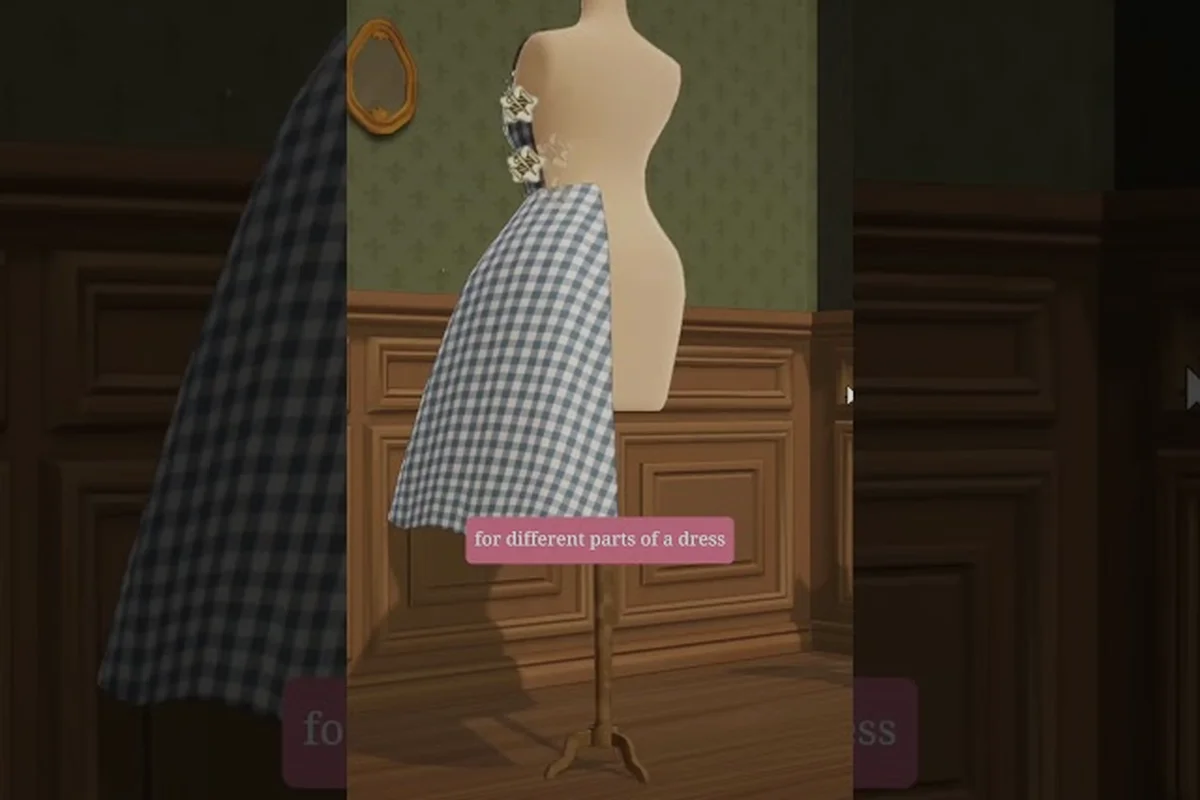
Dressmaker All Fabrics List: Cotton to Velvet Compared
Browse the full Dressmaker all fabrics list — see cotton, linen, wool, silk, and velvet side by side with tiers, prices, and best customer matches.
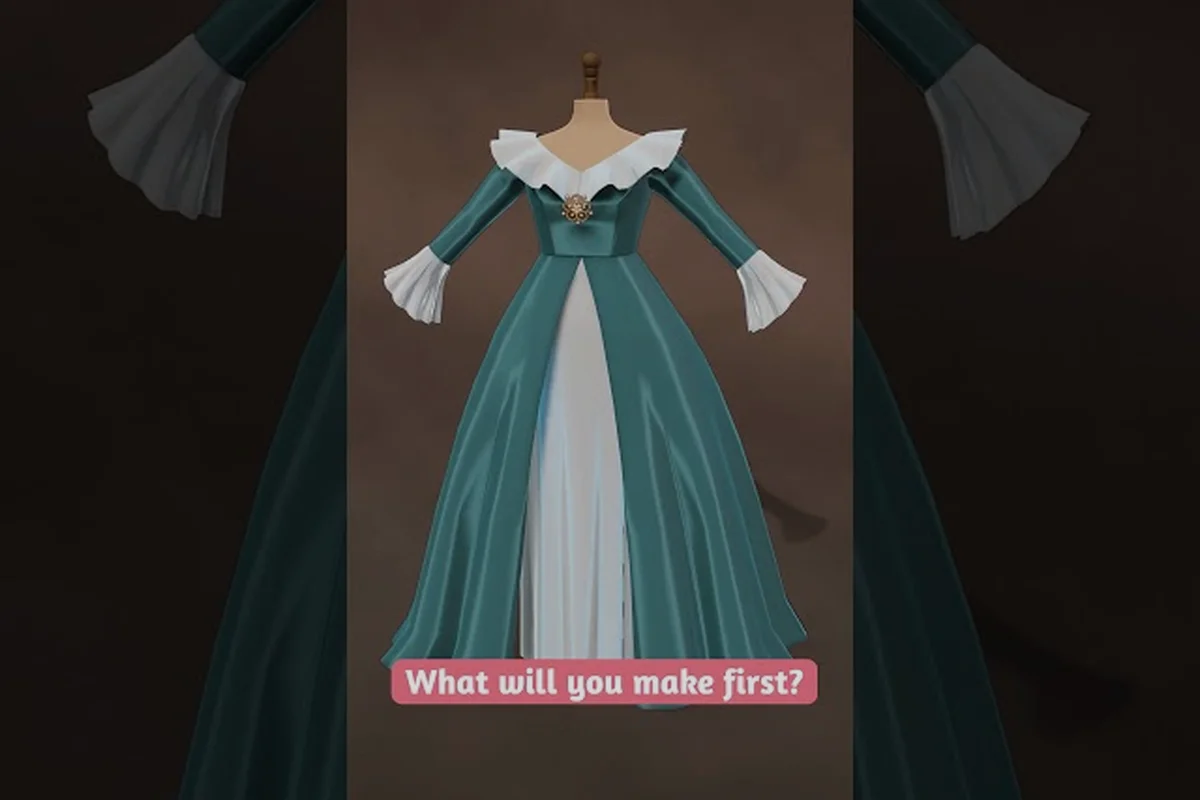
Dressmaker Cotton Starter Fabric: Tier List & Gown Pairings
Start strong with Dressmaker cotton starter fabric — see the full tier ranking, price gaps, and which evening, casual, and formal gown builds cotton supports best.
Dressmaker Best Fabric Guide: Unlock Order, Prices & Top Picks
Find the Dressmaker best fabric for every commission — learn the unlock order, compare prices from cotton to velvet, and pick top picks for casual and royal gowns.
All Articles
Dressmaker Bias Cut Fabric: Drape, Customers & Swatches
Master the Dressmaker bias cut fabric technique — learn how grain shifts drape on the mannequin and which swatches suit each customer request.
Dressmaker Fabric Recommendations: Quality, Cuts & Waste Tips
Compare Dressmaker fabric recommendations by quality and feel — learn how each material shapes the finished dress and discover smart cutting tips to reduce waste.
Dressmaker Fabric Restock Guide: Manage Inventory & Supplies
Never run short with our Dressmaker fabric restock guide — track silk sheen, velvet depth, wool warmth, and linen supply so your shop never misses a commission.
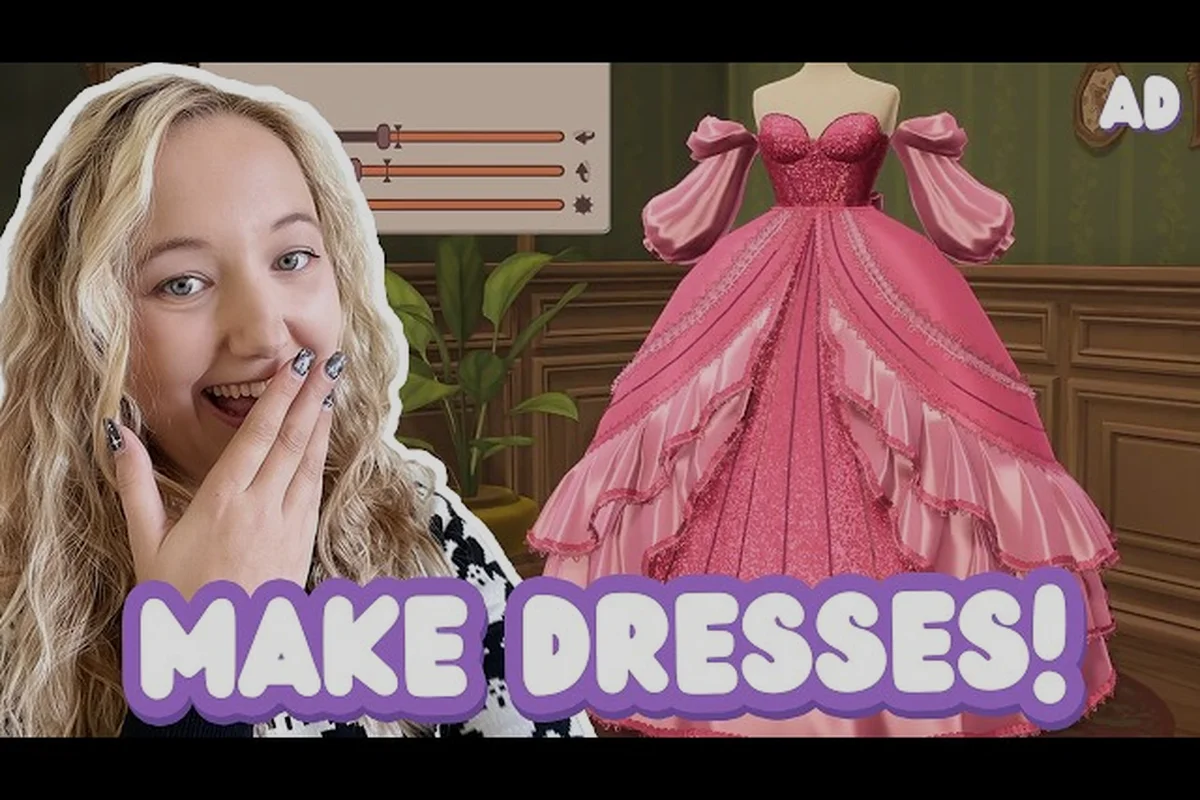
Dressmaker Fabric Panel Placement: Prints, Solids & Cuts
Master Dressmaker fabric panel placement — match printed patterns, balance solids, and pick the right rolls from the fabric shop for each gown.