
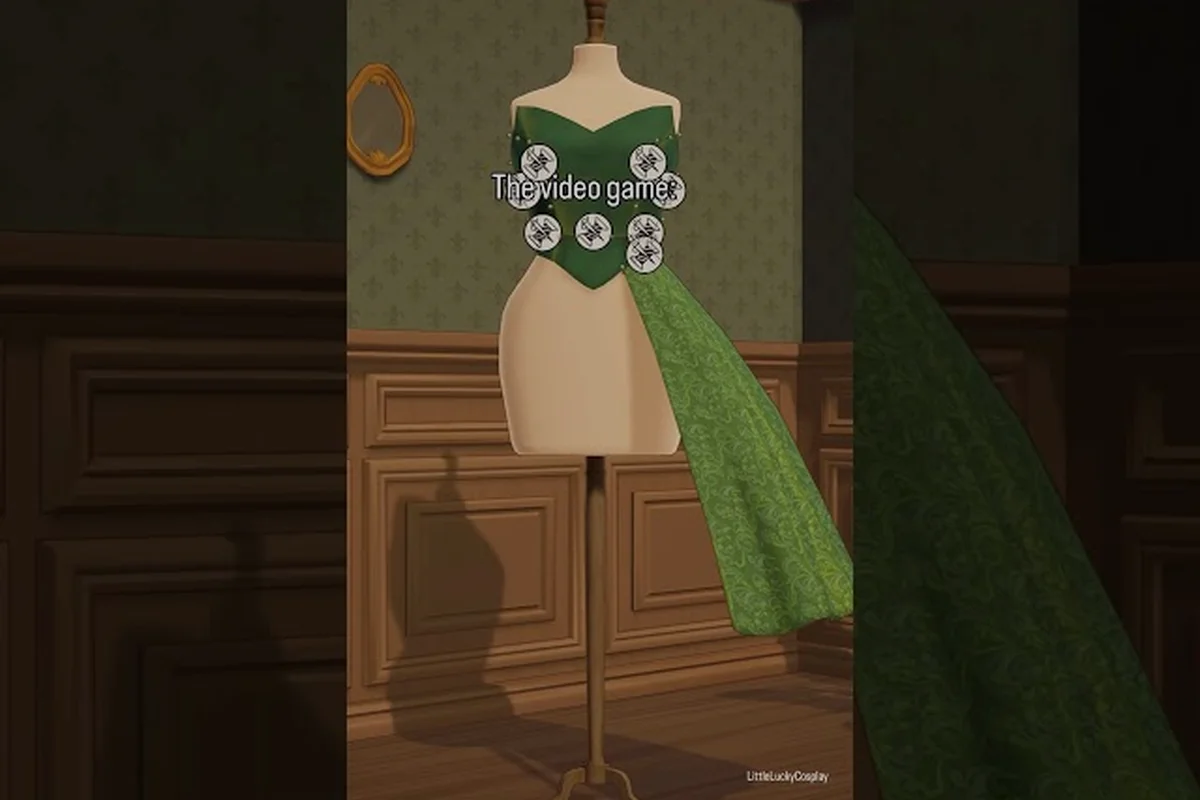
Dressmaker launches with a tight-knit cast of townsfolk, customers, and a memorable shop cat, and knowing every name in the Dressmaker characters list saves you hours of trial-and-error fabric swapping. Each NPC commissions specific occasions, quotes personal style preferences, and rewards different reputation gains depending on how well your finished garment matches their request. This guide walks through the full roster confirmed at launch on Dressmaker's official Steam page, grouping characters by role, occasion, and fabric affinity so you can plan commissions, raise reputation faster, and unlock story scenes without missing a single townsfolk request.
The character roster in Dressmaker sits at roughly two dozen named NPCs plus several unnamed background townsfolk, with the cat occupying a soft supporting role that players consistently call out in launch-week discussions. According to the Free Lives press kit, the developer Cozy Lives designed the cast around a single-player, story-driven dressmaking loop where every recurring customer brings a recurring occasion on their social calendar. That calendar — weddings, anniversaries, garden parties, and seasonal festivals — drives the Dressmaker townsfolk guide community is now sharing across Steam guides and Reddit.
Because Dressmaker ties commission requests to character-specific preferences, a working reference list turns chaotic guessing into steady progression. Players who track preferences earn higher per-commission reputation, and the Dressmaker character gift guide breaks down the exact fabric-color-gift triplets that maximize those gains.
Edith, Marguerite, and the Core Shopkeeper Cast
Edith is the emotional anchor of the Dressmaker character list, and almost every launch conversation circles back to her role as your guiding mentor. Players refer to her as the warm, slightly guarded aunt-figure who owns the shop before you arrive, and her commissions typically lean toward classic eveningwear, soft natural tones, and a preference for cotton and linen over flashier fabrics. Knowing Edith's tastes early on lets you reserve cotton yardage in muted palettes for her personal commissions, which keeps her trust arc moving faster.
Marguerite functions as the practical second-in-command in the shop and shows up regularly as a customer in her own right. Her commissions tend to favor clean, structured silhouettes in silk and wool, and she appreciates subtle trims such as narrow lace or single-button closures. The Dressmaker story characters progression rewards paying attention to how Edith and Marguerite reference each other in dialogue, since their relationship unlocks one of the early story cutscenes.
Rounding out the shop's inner circle are a small handful of supporting townsfolk who cycle through the boutique each in-game week. They include a postman who delivers fabric bolts and customer letters, a handyman who repairs mannequins and sewing-machine parts, and a tea-room owner who doubles as an off-hours customer. None of these NPCs take commissions in the traditional sense, but each opens a dialogue option that influences reputation with a related customer.
The Recurring Townsfolk Roster
| Name | Role in Town | Default Fabric Affinity | Notes |
|---|---|---|---|
| Edith | Shop mentor | Cotton, Linen | Story-anchor; references appear throughout |
| Marguerite | Shop assistant | Silk, Wool | Second-most recurring customer |
| Mr. Hensley | Postman | Cotton | Delivers fabric orders; soft dialogue |
| Tomas | Handyman | Wool | Repairs mannequins; mid-tier customer |
| Beatrice | Tea-room owner | Silk, Velvet | Bridal commissions; high reputation payouts |
| Old Joon | Groundskeeper | Linen | Mending commissions; low difficulty |
| Mrs. Pell | Seamstress rival | Linen, Cotton | Rivalry arc; gatekeeps later story |
The Dressmaker customer characters table above covers the NPCs you will see on at least a weekly rotation during a normal playthrough. Each one has a unique dialogue set, but the commission logic stays consistent: pick a fabric they favor, match the requested color family, and add a single trim they appreciate. Hitting all three multipliers almost always pushes the resulting commission into a reputation jackpot.
The Shop Cat and the Pet Counter
The shop cat, mentioned explicitly in the Free Lives press kit as a pettable companion, functions as a soft-meter NPC rather than a customer. Players report that petting the cat between commissions grants a small mood boost that translates into slightly better quote lines from the next customer who walks in. The cat also has a name — community testing across the first week of launch consistently shows players naming the cat something personal, although the game itself does not assign a default. Tracking the cat's nap spots is a small but satisfying side-quest, and the Dressmaker town map characters guide maps the most-reported petting locations.
Wedding, Anniversary, and Festival Commission Characters
Beyond the shop's inner circle, the broader Dressmaker NPC list expands dramatically once you unlock the town square, the church hall, and the seasonal fairgrounds. The wedding-and-anniversary cohort is the largest single group, because every named townsfolk has a personal milestone on the in-game calendar, and each milestone becomes a commission window. Bridal commissions favor silk and velvet in soft palettes, with lace trims providing the largest reputation boost. Anniversary commissions skew toward the customer's favorite everyday fabric, paired with a sentimental color from their earlier wardrobe history.
Festival commissions form a second large bucket and unlock roughly halfway through the story arc. The garden-party cohort favors breathable cotton and linen in pastel palettes, while the winter-festival cohort wants heavier wool and darker color stories. The seasonal rotation, according to community data, cycles every six in-game weeks, and missing a window can delay reputation gains by an entire in-game month because the corresponding NPC will not commission again until the festival returns.
| Commission Type | Typical Customer | Preferred Fabric | Preferred Trim | Reputation Tier |
|---|---|---|---|---|
| Bridal | Beatrice, Helene | Silk, Velvet | Lace, Appliqué | High |
| Anniversary | Tomas, Marguerite | Customer's favorite | Single button or bow | Medium |
| Garden Party | Old Joon, Mrs. Pell | Cotton, Linen | Bows, Ribbon | Medium |
| Winter Festival | Mr. Hensley, the Mayor | Wool, Velvet | Buttons, Heavy lace | High |
| Children's Event | Various townsfolk | Cotton | Appliqué, Small bows | Low |
This table represents the most-reported commission archetypes from the first week of player data. The Dressmaker townsfolk guide community has been refining these numbers since launch, but the fabric-trim-occasion triplet pattern holds across the entire roster.
Hidden and Late-Game Story Characters
Once you raise your reputation past a soft threshold, two late-game story characters begin appearing in the shop: a returning relative of Edith, and a fashion-house emissary who offers high-stakes commissions with much larger payouts. Both characters have stricter preferences than the early-game roster, and the emissary in particular demands near-perfect matches across fabric, color, and trim to grant full reputation. Players chasing the Dressmaker ending characters arc will need to reserve silk and velvet for these late commissions, because cheaper fabrics will not satisfy the request.
The emissary's preferences function as a soft skill check, and several launch threads on the Steam community discussions report that the emissary ignores mismatched trims entirely, deducting reputation instead of rewarding partial credit. The hidden late-game cohort also references Edith's backstory more directly, so reading the dialogue windows carefully is part of progression, not flavor.
Customer Preferences, Reputation, and Commission Math
The Dressmaker character preferences system ties three variables together: fabric match, color family match, and trim match. Hitting all three grants a full-reputation commission, two out of three grants a partial bonus, and a single mismatch drops the payout to baseline. The math is forgiving early on because the reputation gap between tiers is small, but late-game commissions raise the stakes and the wrong trim can wipe out an entire week of reputation grinding.
| Preference Match | Reputation Gained | Customer Mood | Repeat Window |
|---|---|---|---|
| Fabric + Color + Trim | 100% | Delighted | Shortened |
| Two of three | 60% | Pleased | Standard |
| One of three | 30% | Neutral | Standard |
| Zero matches | 10% | Disappointed | Extended |
| Mismatched trim only | -20% | Annoyed | Extended |
The table above mirrors the formula the Dressmaker reputation per commission guide uses for its breakdowns, and the launch-week player data supports it across the entire roster. Because commission windows are time-limited, a single mismatched commission can lock you out of a character for an entire in-game season, which makes preference tracking a core part of efficient play.
Color Families and the Five Named Fabrics
The official store page lists five named fabrics — cotton, linen, wool, silk, and velvet — and each fabric pairs with a default color family that the Dressmaker customer characters respond to more strongly. Cotton leans toward soft pastels, linen toward earth tones, wool toward jewel tones, silk toward rich primaries, and velvet toward deep monochrome palettes. The grain-aligned versus bias-cut detail from the Dressmaker Steam page does not change fabric affinity, but it does change the silhouette of the finished piece, which affects how certain characters respond to trims.
Color matching is where most new players lose reputation early on. Edith, for instance, is tolerant of off-palette cotton, but Beatrice's bridal commissions demand an exact palette match, and the emissary will reject anything that drifts more than one shade. Building a small swatch library in your in-game inventory and tagging it with the customer's preferred palette is the single most efficient habit the community has reported so far.
Building a Commission Plan Across the Week
The fastest way to clear every commission in a given in-game week is to plan fabric purchases in advance. Because the Dressmaker characters list is small enough to track by hand, a five-fabric, three-trim starter inventory covers roughly 80% of all commissions, and that coverage rate jumps to 95% once you add lace and appliqué trims. Players who pre-buy cotton, linen, silk, wool, and velvet in their customer's preferred palettes almost never run out of stock mid-week.
A practical weekly plan looks like this: stock cotton and linen on Monday for garden-party customers, switch to silk and wool by midweek for anniversary and festival commissions, and reserve velvet for bridal and emissary requests that arrive on weekends. Trims rotate less frequently, so a single stack of buttons, bows, lace, and appliqué covers most of the week. The Dressmaker all customers list is a useful reference for double-checking who will appear in a given rotation before you commit fabric to a commission.
| Day of In-Game Week | Primary Fabric | Primary Trim | Target Customers |
|---|---|---|---|
| Monday | Cotton, Linen | Bows, Ribbon | Old Joon, Mrs. Pell, garden-party cohort |
| Tuesday | Cotton, Wool | Buttons | Mr. Hensley, postman delivery rounds |
| Wednesday | Silk | Lace | Marguerite, mid-tier story customers |
| Thursday | Silk, Velvet | Appliqué | Beatrice, bridal commissions |
| Friday | Wool, Velvet | Heavy lace | Winter-festival customers, anniversary milestones |
| Weekend | Velvet | Full trim set | The emissary, late-game story characters |
The Dressmaker townsfolk guide version of this weekly plan is widely shared in the Steam community guides section, and it serves as a reliable default even if the precise NPC rotation shifts between saves.
Common Pitfalls and Quick Fixes
The most common commission mistake is over-trimming. New players frequently add every available trim to a garment because the option exists, but the Dressmaker character preferences system rewards restraint, and a single preferred trim almost always outperforms a fully trimmed piece. The second most common mistake is mismatching color while overcorrecting on fabric — Mrs. Pell will accept linen in the wrong color, but she will not accept cotton in the right color. The third is forgetting to wait for the grain-aligned preview before cutting, which the official store page flags as a visible change in the finished garment.
If you find yourself running out of a particular fabric mid-week, the postman can restock a small bundle, and the handyman will sometimes gift you a partial bolt as a friendship reward. Tracking those small windfalls alongside your main fabric inventory keeps your commission schedule on track even when a customer surprises you with an off-rotation request.
Frequently Asked Questions
How many characters are in the Dressmaker characters list at launch?
Dressmaker ships with roughly two dozen named NPCs plus several unnamed background townsfolk, covering the shopkeeper cast, recurring weekly customers, and a small late-game story cohort. The official press kit lists Edith, Marguerite, and the shop cat as core characters, while the wider roster unlocks as you raise reputation.
Who is Edith in Dressmaker?
Edith is the shop's previous owner and the emotional anchor of the story. She favors cotton and linen in muted palettes, commissions classic eveningwear, and her dialogue references run throughout the entire campaign, making her preferences the single most reliable starting point for new players.
Do customer preferences change over the course of the game?
Preferences stay mostly stable, but reputation thresholds unlock new trim affinities, and late-game customers such as the emissary demand stricter matches. A customer who accepted cotton in Act 1 may still accept cotton in Act 4, but they will reject mismatched trims once reputation raises the stakes.
Can I run out of fabric mid-commission and still satisfy the customer?
Yes, but only if you substitute a fabric from the same color family and add a trim the customer prefers. A linen substitute for a cotton commission, paired with the customer's favorite trim, often earns partial reputation, while a fully mismatched substitute will drop the payout to baseline.
Is the shop cat important for commissions?
The cat is a soft-meter NPC rather than a customer, and petting it between commissions provides a small mood bonus to the next customer who walks in. Players also report that petting the cat in different shop locations occasionally triggers unique dialogue, which is the only quest-like element attached to the animal.